
"chemical composition"
300 article(s) found

Basic knowledge of boutique coffee explanation of the composition of coffee beans
Caffeine: caffeine is the most eye-catching of all the ingredients in coffee. It is a kind of phytoxanthin (animal muscle component). It has the same properties as theobromine contained in cocoa, green tea contains the same theophylline, and the percentage of reduction after baking is very small. Caffeine has a very wide range of effects. will affect the human brain, heart, blood vessels, gastrointestinal, muscle and kidney and other parts, the right amount of caffeine
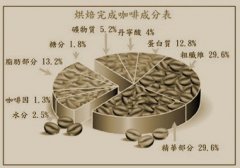
Roasting technology of boutique coffee beans to complete the coffee composition table
Caffeine: caffeine is the most eye-catching of all the ingredients in coffee. It belongs to a kind of phytoxanthin (animal muscle component). It has the same properties as theobromine contained in cocoa, green tea contains the same theophylline, and the percentage of reduction after baking is very small. Caffeine has a very wide range of effects. will affect the human brain, heart, blood vessels, gastrointestinal, muscle and kidney and other parts, the right amount of coffee
Basic knowledge of fine coffee to explain the composition of coffee in detail
Caffeine is the most eye-catching of all the ingredients of coffee. It belongs to a kind of phytoxanthin (animal muscle component). It has the same properties as theobromine contained in cocoa, green tea contains the same theophylline, and the percentage of reduction after baking is very small. Caffeine has a very wide range of effects. will affect the human brain, heart, blood vessels, gastrointestinal, muscle and kidney and other parts, the right amount of coffee

Where did the coffee come from? The origin of coffee is explained by isotopes. The origin and history of coffee
Professional coffee knowledge exchange more coffee bean information Please follow the coffee workshop (Wechat official account cafe_style) drink a cup of coffee to wake up the day, is undoubtedly a portrayal of the lives of many modern civilized people. You may not know that people have been drinking coffee for more than ten centuries. Due to the age, the origin of coffee can no longer be examined, and there is a lack of related historical events.
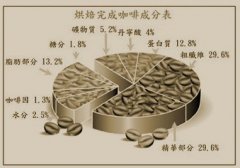
Coffee composition table caffeine is the most eye-catching of all the ingredients of coffee
Caffeine: caffeine is the most eye-catching of all the ingredients in coffee. It belongs to a kind of phytoxanthin (animal muscle component). It has the same properties as theobromine contained in cocoa, green tea contains the same theophylline, and the percentage of reduction after baking is very small. Caffeine has a very wide range of effects. will affect the human brain, heart, blood vessels, gastrointestinal, muscle and kidney and other parts, the right amount of coffee

The composition of coffee beans the bitterness and mellowness of coffee
Sugar: without sugar, you will not only feel the bitterness of caffeine and the sour taste of tannin, but also feel sweet, which is caused by the sugar contained in the coffee itself. After baking, most of the sugar will be converted to caramel, bringing a unique brown to the coffee. Minerals: lime, iron, sulfur, sodium carbonate, phosphorus, chlorine, silicon, etc., because the proportion rarely affects coffee.
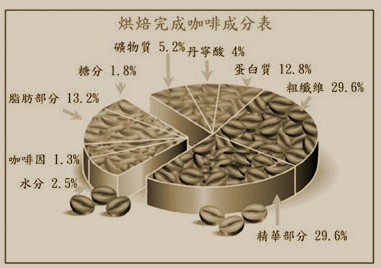
Key points of knowledge about roasting coffee beans; detailed analysis of coffee composition table after roasting
Caffeine: caffeine is the most eye-catching of all the ingredients in coffee. It belongs to a kind of phytoxanthin (animal muscle component). It has the same properties as theobromine contained in cocoa, green tea contains the same theophylline, and the percentage of reduction after baking is very small. Caffeine has a very wide range of effects. will affect the human brain, heart, blood vessels, gastrointestinal, muscle and kidney and other parts, the right amount of coffee

The composition and aroma of coffee beans is the life of coffee quality.
Sugar: without sugar, you will not only feel the bitterness of caffeine and the sour taste of tannin, but also feel sweet, which is caused by the sugar contained in the coffee itself. After baking, most of the sugar will be converted to caramel, bringing a unique brown to the coffee. Minerals: lime, iron, sulfur, sodium carbonate, phosphorus, chlorine, silicon, etc., because the proportion rarely affects coffee.
What is caffeic acid? what is the composition of caffeic acid? how does it affect coffee flavor?
Professional coffee knowledge exchange more coffee bean information Please pay attention to the coffee workshop (Wechat official account cafe_style) there are many factors that affect coffee flavor: coffee bean variety, roasting, brewing strategy, coffee bean handling methods, however, when you divide these factors again and again, the resulting coffee flavor is all related to a class of substance compounds. The way coffee is baked. Coffee.
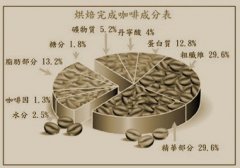
Composition Analysis of Coffee beans based on basic knowledge of Fine Coffee
Caffeine: caffeine is the most eye-catching of all the ingredients in coffee. It belongs to a kind of phytoxanthin (animal muscle component). It has the same properties as theobromine contained in cocoa, green tea contains the same theophylline, and the percentage of reduction after baking is very small. Caffeine has a very wide range of effects. will affect the human brain, heart, blood vessels, gastrointestinal, muscle and kidney and other parts, the right amount of coffee

Coffee Learning: the Secret of balancing Coffee Fat and Taste
Espresso has mellow and rich multi-level flavor, and oil is almost the most prominent feature that distinguishes espresso from drip filtration and hand-brewed coffee. this paper explains in detail the composition and structure of oil and the influence of chemical and physical changes in espresso on coffee flavor. The composition of coffee oil (Crema) is

Study on the chemistry of small grain coffee in Yunnan, Kunming Institute of plants, Chinese Academy of Sciences
Professional coffee knowledge exchange more coffee bean information Please pay attention to coffee workshop (Wechat official account cafe_style) Coffee as one of the most popular beverages in the world, its composition and physiological function have always been the focus of scientists all over the world. As the largest emerging coffee consumption market in the world, China has not only attracted the attention of a large number of investors, but also promoted the characteristics of agriculture in Yunnan Plateau.
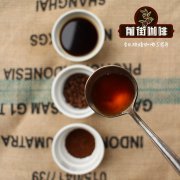
Sensory characteristics and main chemical components of coffee with different roasting degree
Professional coffee knowledge exchange more coffee bean information Please follow Coffee Workshop (Wechat official account cafe_style) Coffee is one of the most popular drinks in the world, the most commercially valuable varieties are Arabica and Robst. In this paper, Yunnan Arabica coffee and Indian Robster coffee were selected as the representatives of the two species, and two kinds of coffee with different roasting degrees were studied.

Chemical reaction and temperature during coffee roasting changes of reactive substances in coffee roasting process
Professional coffee knowledge exchange more coffee bean information please follow the coffee workshop (Wechat official account cafe_style) professional coffee roasting | coffee roasting is too complicated? A picture teaches you how the baking process reacts to the chemical composition of the baking. Sucrose: melting point 187.8 ℃-sugar? Complex = caramelization-water CO2 escapes to produce an explosive First Crack phenomenon. I'm in the roaster.

What is tannic acid? One of the main chemical constituents of coffee beans
Tannin, one of the main chemical components of coffee beans, accounts for about 7% of the total chemical composition of coffee beans. After extraction, tannic acid will turn into a yellowish powder and easily dissolve in water. Once heated, it will decompose to produce pyrosylic acid, making the taste of coffee worse. Because of this, a cup of brewed coffee will lose its taste and taste if it is not drunk immediately.

Some complex chemical changes in the roasting of coffee
The color, aroma and taste of coffee are caused by some complex chemical changes that take place during the baking process. Generally speaking, we use strong alcohol to show the round, mellow and strong taste of coffee. So raw coffee beans must go through a proper chemical process to achieve the most balanced state of its essential ingredients in order to be regarded as the best baked beans. The aroma of coffee will follow the heat.
Main chemical constituents of raw coffee beans
Main chemical components of raw coffee beans: content (%) carbohydrate 60.0 reducing sugar 1.0 sucrose 7.0 pectin 2.0 starch 10.0 garrison 5.0 hemicellulose 15.0 holocellulose 18.0 lignin 2.0
The sour, mellow and bitter taste of coffee is caused by complex chemical changes in roasting.
The color, aroma and taste of coffee are caused by some complex chemical changes that take place during the baking process. So raw coffee beans must go through a proper chemical process to achieve the most balanced state of its essential ingredients in order to be regarded as the best baked beans. The aroma of coffee will change with the heat, so the baking time should be shortened as much as possible, and the heat should be controlled within the range of heat.

What is coffee water? What's the best water to use to make coffee? What are the standards for specified water use for coffee?
Professional coffee knowledge exchange more coffee bean information Please pay attention to the water quality of coffee in the coffee workshop (Wechat official account cafe_style), which directly affects the taste, aroma, consistency and many other health elements of all coffee. The key influencing factor is the mineral composition in the water. Christopher Hendon, a doctoral student from the Chemical Technology Center of Bath University, used to work in his spare time.

The chemical structure of coffee and its changes show the characteristics and processing of coffee.
Coffee has long been recognized by the public, and chemistry is also a compulsory course in education in our country. However, we must not know much about the chemical structure of coffee and its changes. Readers may not be very interested in the content that is too theoretical. Now we will use more artistic pictures and language to show you the characteristics and processing of coffee. Coffee can spread all over the world in a hundred years.